Entrevista exclusiva con Aidan Whytock – The Actor
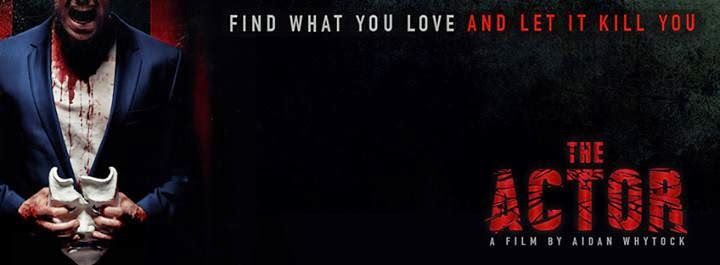
The Actor (Aidan Whytock)
Hace un tiempecito os reseñábamos una interesante producción escrita, dirigida y producida por el actor sudafricano Aidan Whytock. Se trata de The Actor, una mezcla entre Found Footage y Mockumentary, directo y seco.
El proyecto nos pareció tan interesante que nos pusimos en contacto con él para realizar una entrevista. Resulto ser una persona tan interesante como amable y este es el resultado.
Si preferís leer la entrevista en ingles, que ha sido traducida por nuestro colaborador y amigo Fernado Penella García, aquí tenéis los enlaces.
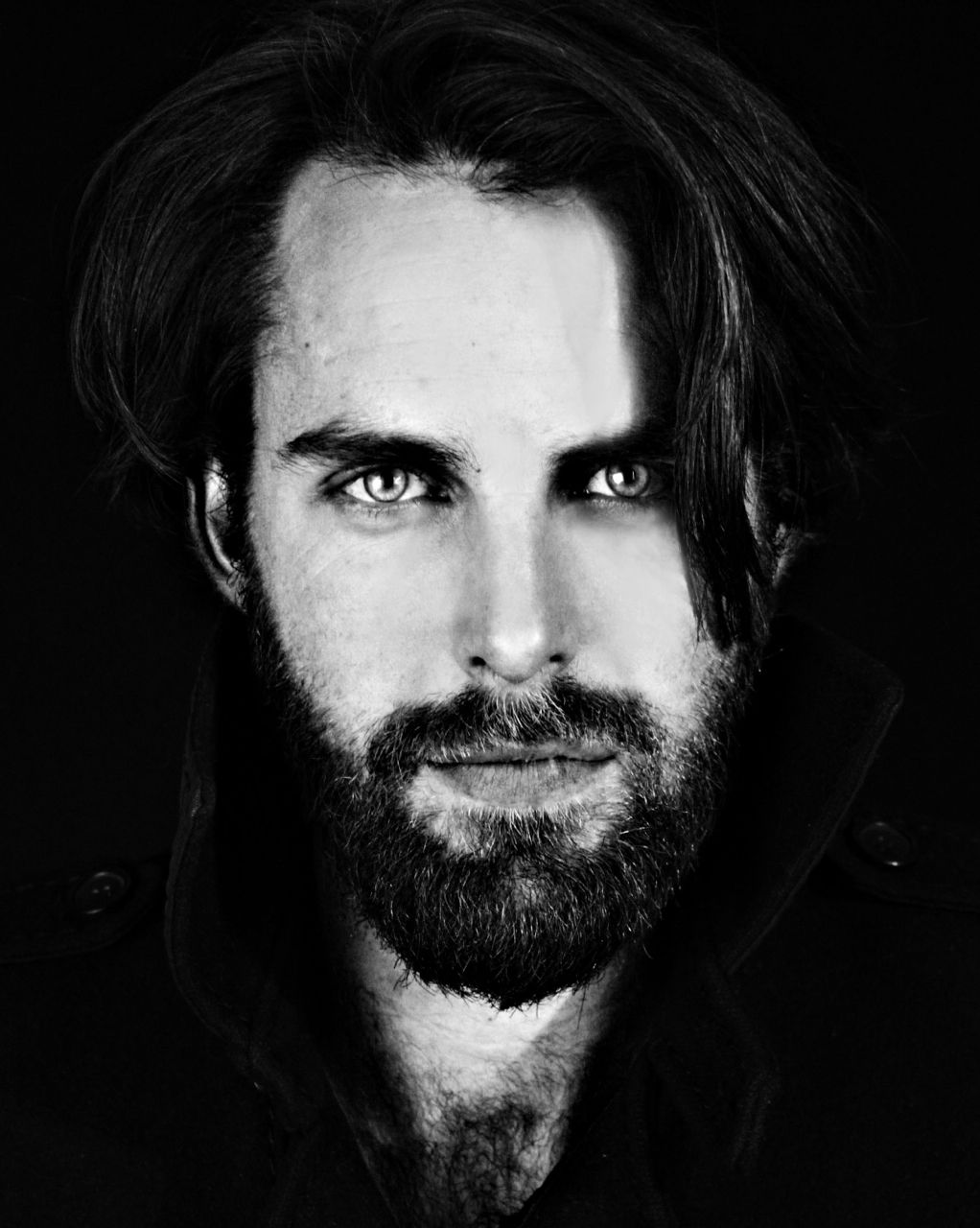
Aidan Whytock
ENTREVISTA EN ESPAÑOL
1.- Buenos días Aidan, ante todo darte las gracias por darnos la oportunidad de conocerte y conocer más a fondo tu trabajo. Me gustaría antes que nada que nos hicieras una breve presentación de tu persona para el público español que quizás no te conoce demasiado.
¡Hola España! Muchas gracias por haberos interesado por nosotros en vuestra brutal página. ¿Algo sobre mí? Soy un cineasta afincado en Ciudad del Cabo, Sudáfrica. Me crié en Singapur e Inglaterra antes de mudarme a Ciudad del Cabo para estudiar en la universidad. No sabía lo que quería hacer, así que acabé estudiando Antropología y Administración y Dirección de Empresas. Tras pasar un tiempo en el mundo empresarial vendiendo cerveza (sí, era un trabajo bastante guay) me di cuenta de que aquello no era lo mío, ya que no era feliz. Así que lo dejé sin saber aún qué hacer con mi vida.
Soy tartamudo y cuando era joven hice teatro para combatir mi tartamudeo. Mi padre siempre me decía que me enfrentara a mis miedos y lo más terrorífico para mí en el mundo era hablar en público. Así que ensayé mi diálogo (creo que la línea era: “sí, está justo ahí”) durante dos meses, me subí al escenario y lo dije. Fue la primera vez en la que la gente se reía conmigo, y no de mí. Me enganchó aquella experiencia y me di cuenta de que actuando podía ser lo que yo quisiera. Entonces fue cuando me quedó claro que quería vivir tantas vidas como pudiera. ¡De modo que la interpretación iba a ser! A partir de ahí tuve la suerte de recibir papeles en televisión como la serie Homeland junto a Claire Daines y la serie americana sobre piratas Black Sails.
Como actor me iba bien, pero en los rodajes me sentía frustrado. ¡Necesitaba ser creativo todo el tiempo! Así que decidí probar a hacer mis propias películas. Lo primero fue un corto, y al hacerlo las palabras de mi padre volvieron a mi mente: “afronta tus miedos cara a cara”. Tenía miedo de hacer un largometraje y no me creía capaz de hacerlo. Por suerte, estoy rodeado de un grupo con muchísimo más talento que yo, así que supe que tenía que intentarlo.
2.- Me gustaría que nos comentaras los antecedentes de tu film, The Actor es una idea muy personal (o pesadilla personal); ¿nos podrías contar cuándo y cómo empezó la idea a tomar forma?
Esta es una buena pregunta, aunque es un tema sensible. La idea de actuar es algo muy romántico. La realidad es que es una carrera horriblemente dificil. Los actores pasan por un mayor número de entrevistas en un año que la mayoría de la gente fuera del mundo creativo en toda su vida. Es algo muy frustrante que conlleva muchos rechazos. La idea de The Actor me vino mientras pasaba por un mal momento. Me estaba tomando demasiado en serio mis interpretaciones y estaba perdiendo trabajos debido a ello. Trataba de crear personajes e interpretaciones “perfectas”. Sencillamente, estaba esforzándome demasiado. En aquel momento estaba haciendo una obra llamada Lady Luck. Los ensayos iban bien, pero a la vez luchaba por dejar de lado el hecho de que por dos meses de ensayos y actuaciones iba a cobrar alrededor de cien euros. Resultaba deprimente que no pudiera mantenerme como actor.
Un día volvía en mi coche de los ensayos cuando me vinó la idea. Fue un pensamiento impulsivo basado en lo que le había ocurrido a Heath Ledger cuando se preparaba para el papel de Joker. ¿Cuán serio es demasiado serio? ¿Cuán lejos se puede llegar a la hora de preparar un papel? ¿Qué significa para un actor una interpretación perfecta? Y así nació la idea.
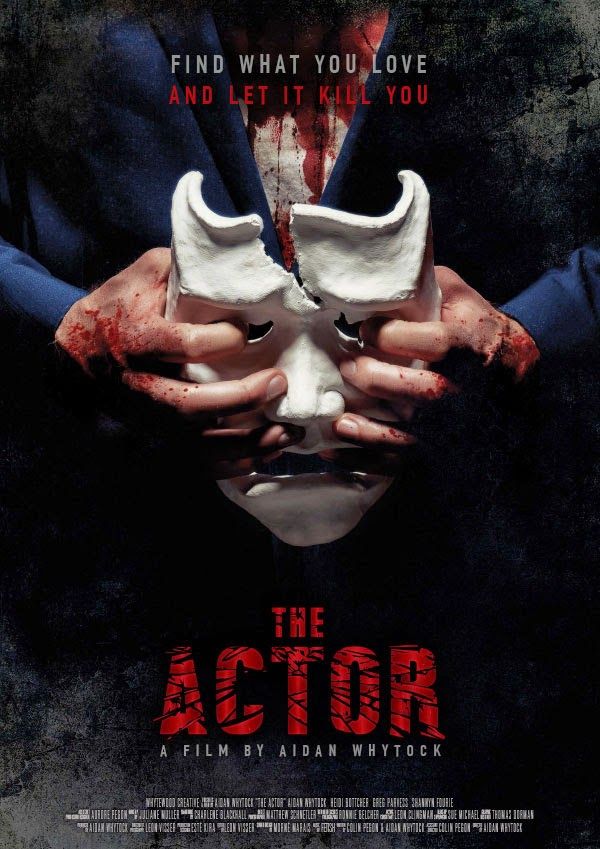
The Actor (Aidan Whytock)
3.- Por lo que hemos podido apreciar en el tráiler en tu film, aparte de una narrativa estándar, utilizas el found footage, el cual parece tener últimamente un resurgimiento. ¿Utilizas esta técnica porque a nivel de producción abarata costes o por qué la propia historia lo pedía?
La motivación inicial para utilizar el found footage fue definitavamente por los costes. Teníamos muy bajo presupuesto (3500 euros para toda la película). También consideramos hacer la película como si fuera un found footage real y comercializarlo de esta forma, pero consideramos que quedaría como un truco barato comparado con lo bien que lo hicieron en Blair Witch Project. Así que buscamos la forma de incorporar found footage a la historia. Esto funciona muy bien mientras seguimos a un actor preparándose para un papel, ya que puede usar found footage para grabarte a tí mismo mientras ensayas.
A posteriori, nos dimos cuenta de que el found footage resulta caro para que dé miedo y parezca auténtico porque se gasta mucho más dinero en lo que se graba. Clovertfield es una de mis películas favoritas de found footage. Su presupuesto fueron 25 millones de dólares para un metraje completo de found footage. Se gastaron mucho dinero para hacer que la película pareciera como si no se hubieran gastado mucho. Los estándares del género y las expectativas del found footage son ahora tan altos que no creo que sea una solución viable para una película independiente de bajo presupuesto. Para la película usamos una cámara Sony FS700, una pequeña cámara HD muy buena, con un precio de alquiler barato y una gran capacidad de imágenes por segundo (200 fps por siete segundos de grabación a tiempo real). Bajo poca luz también funciona bastante bien, así que captura mucho más de lo que hubieramos obtenido con una cámara de mano. Me hubiera encantado ver cómo habría quedado The Actor si la hubieramos rodado en su totalidad con la cámara de cine.
4.- También parece que el género satánico, tan en boga en los setenta, está volviendo a resurgir de nuevo. ¿Qué es lo que te llevo a elegir este tipo de temática para tu historia?, ¿te gusta el cine de terror?
Siempre va a haber algo terrorífico sobre Satán, los reinos del infierno de Grecia y todos sus demonios. Creo en los demonios y su evidencia en la Tierra es palpable cuando los humanos cometen atrocidades. A mi modo de ver, los actos demoníacos no se cumplen necesariamente cuando alguién entra en trance, habla en lenguas desconocidas o levita. Cuando un humano hace algo realmente horrible se trata de un demonio.
5.- Desgraciadamente todavía no hemos podido ver el film, así que no podemos opinar. Pero tú, ¿estás contento con el resultado final?
Empezamos haciendo una película de terror y acabó siendo una película de terror psicológica con una fuerte carga de drama familiar. ¡Esto nos sorprendió mucho! Y en general estoy contento. Nos propusimos hacer una ópera prima que no fuera completamente terrible, y lo conseguimos. Aprendimos mucho durante este proceso. Si pudieramos hacer The Actor de nuevo habríamos escrito el guión y nos habríamos esperado para poner todo en orden. Uno de nuestros mayores problemas fue una cuestión del guión y no tuvimos más remedio que solucionarlo en postproducción. La próxima vez no nos precipitaremos con el guión (pasamos de tener la idea a rodar en cinco meses).
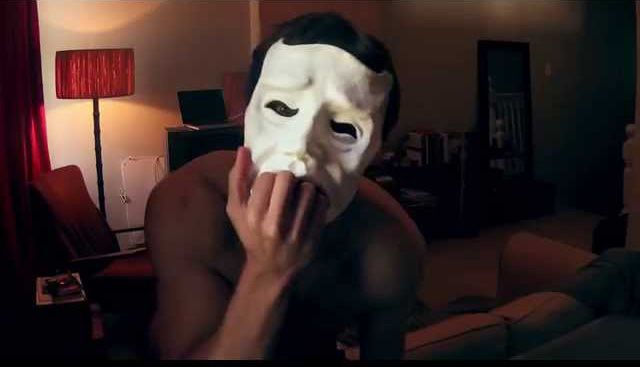
The Actor (Aidan Whytock)
6.- ¿Cómo y dónde piensas mover el film a nivel de distribución y dónde, realmente, te gustaría que se viera?
Nos hemos presentado a Sundance, Slamdance, SXSW, Rotterdam, Berlin y muchos otros festivales, de modo que nuestro plan es proyectar la película en festivales y así reunirnos con distribuidoras. También estamos teniendo reuniones con distribuidoras online, ya que el mundo online está teniendo un gran eco en lo que parece el futuro de la distribución cinematográfica.
7.- No sé si conocerás el film The Possession of Michael King, de factura reciente, y que tiene (salvando las distancias) una temática parecida a la de tu film. ¿Qué nos puedes decir al respecto?
¡Otra gran pregunta! Decidimos no ver The Possession of Michael King mientras estábamos en postproducción para que no nos influenciara en absoluto. Ahora que hemos terminado The Actor la veremos seguro. Aparte de que ellos tenían un presupuesto mucho más alto (por eso se nota en la calidad de su found footage), estamos muy contentos de que alguién cuente una historia similar, significa que se trata de algo que la gente quiere escuchar.
8.- Por lo que hemos podido ver en tu ficha de imdb, tras realizar varios trabajos como actor escribiste y dirigiste en 2011 el corto The Final Cut y ahora de has decidido a dar el gran salto al largo. ¿Ha sido un paso difícil?
Sí, lo fue. Esto se cumple en cualquier industria creativa, no hay estabilidad y ninguna garantía de que funcionará. Por el otro lado, conseguimos la oportunidad de crear nuestros sueños, ¡demonios, incluso de tenerlos! Y el coste de esa oportunidad es el riesgo. Pero ha valido la pena. Cerca de mi treinta cumpleaños (2013) empecé a tener ataques de pánico porque no tenía ni idea si conseguiría ser feliz siendo actor. Así que fue dificil decidirme a hacer una película, pero no más que quedarme donde estaba. Así que lo hicimos, nos lanzamos y le dimos una oportunidad. Hubo muchos obstáculos, pero ninguno los suficiente grande como para detenernos en la conquista de ese sueño. A lo sumo, aprendimos por lo menos muchas cosas.
9.- Parece que el gusanillo de la creación se ha arraigado en tu cerebro. ¿Aparte de tu trabajo como actor vas a enfocar más tu carrera hacia la dirección?
¡Tus preguntas son muy buenas y van inmediatamente al fondo de la cuestión! Has dado en el clavo. Lo que menos me gusta de ser actor es la cantidad de tiempo que hay que esperar. Ahora estoy trabajando en la serie Homeland. He tenido una gran curva de aprendizaje al trabajar junto a alguien tan brillante como Claire Daines. La parte negativa son las horas de espera en mi trailer sin nada que hacer. Eso no es un proceso creativo. ¡Mientras que con la dirección consigo estar ocupado todo el tiempo! Mi cabeza está muy preparada para la solución de problemas (fui gestor de eventos para una fábrica de cerveza) y al dirigir consigo solucionar retos creativos y problemas logísticos sin perder nunca el tiempo. Me encanta la continua dedicación que aplico cuando dirijo.
10.- Cuéntanos como anda el tema de producción cinematográfica en Sudáfrica. No si sabrás que en los 60, 70 hubo un productor inglés, Harry Alan Towers, que produjo varios films de terror rodados íntegramente en Sudáfrica.
La industria sudafricana está en auge. La Ciudad del Cabo se está ganando el apodo de “el Hollywood del sur”. En los últimos años se han rodado Safehouse, Chronicle, Judge Dredd, Invictus, District 9, Mandela: Long Walk to Freedom, The Last Face, Eye In The Sky, y las series de televisión Black Sails y Homeland. Las localizaciones son muy versátiles y fantásticas, hace buen tiempo, los actores y los equipos son de primera clase; y el tipo de cambio ventajoso. Es un momento fantástico para estar en Ciudad del Cabo.
11.- Para finalizar nos gustaría que nos adelantaras, si es posible, tus próximos proyectos.
Estamos trabajando en nuestra segunda y tercera película. Son géneros totalmente distintos. La primera se llama How To Live With Legs Like These y es una película de animación sobre un avestruz que sueña desesperadamente por convertirse en una supermodelo. La segunda es una película épica de guerra contemporánea llamada Sunrise. No puedo decir mucho, pero solo que va a salvar al género de vampiros de lo que le hizo Twilight.
Muchas gracias por todo Aidan, ha sido un auténtico placer poder hablar contigo y conocer más a fondo, tanto a ti como a tu trabajo. Te deseamos toda la suerte del mundo con The Actor y en futuros proyectos.
Aquí os dejamos el trailer y el enlace a su facebook oficial y a su pagina web.
ENTREVISTA EN INGLES
Exclusive Interview with Aidan Whytock
The Actor (Aidan Whytock)
A little while ago, we received an interesting production written, directed and produced by South African actor Aidan Whytock. The Actor is a mix of found footage and mockumentary, direct and dry.
We found the project so interesting that we got in touch with him for an interview. And we are pleased to have done it, since he is a really interesting and kind person. This is the result.
Aidan Whytock
1.- Hello Aidan! Above all, I would like to thank you for giving us the opportunity to meet you and get to know better your work. I would like you to give us first a brief introduction of yourself for those in Spain who may not know you.
Ola España! Thanks very much for having us on your killer site! So a bit about me – I’m a filmmaker based in Cape Town, South Africa. I was raised in Singapore and England before coming to Cape Town for university. I didn’t know what I wanted to do so I ended up studying Anthropology and Business Management. After some time in the corporate world selling beer (yeah – it was a pretty cool job) it became clear this wasn’t for me – I wasn’t happy. So I left and still didn’t know what I wanted to do with my life.
I have a stammer and when I was young I did theatre as a way to combat my stammer – my dad always said face your fears and the scariest place in the world for me was speaking in public. So I rehearsed my one line (I think the line was “yes, it’s over there”) for two months, got on stage and said it. For the first time people were laughing with me, not at me. I was hooked and realised in acting I could become anything I wanted to. That’s when it became clear – I wanted to live as many lives as I could. And so – acting it was! From there I was lucky enough to be cast in shows like Homeland opposite Claire Danes and the US pirate TV show Black Sails.
Acting was going well but I found myself frustrated on set – I wanted to be creative all the time! So I decided to have a crack at making my own films. I started with a short and then my dad’s words came back to me: “face your fears head on”. I was terrified of making a feature and didn’t think I could do it. Fortunately I’m surrounded by a crew waaaaay more talented than I am – so I knew I had to try.
2.- I would like you to tell us about the film’s background. The Actor is a very personal idea (or personal nightmare). So, could you tell us how and when the idea began to take shape?
Ah this is a great question. OK this is going to be vulnerable. The idea of acting is a very romantic one. The reality of it is that it’s a horrifically difficult career. Actors go through more interviews in a year than most people outside the creative industry do in a lifetime. It’s really frustrating and involves a lot of rejection. The Actor came to me when I was in a bad space – I was taking my acting too seriously and I was losing Jobs because of it. I was trying to create ‘perfect’ characters and performances. So basically I was trying to hard. I was doing a play called Lady Luck at the time. Rehearsals were going well but I was struggling to let go of the fact that two months of rehearsals and performances would earn me about 100 Euro. It was a depressing thought that I couldn’t sustain myself as an actor.
So I was in the back of my co-actor’s car on the way back from rehearsals and the idea hit me. It was an impulse thought inspired by what happened to Heath Ledger when he was preparing to play the Joker – how serious is too serious? How far is too far in preparing for a role? What does a perfect performance mean to an actor? Thus the idea was born.
The Actor (Aidan Whytock)
3.- For what we have seen on your film trailer, besides a standard narrative, you use found footage, which seems to have come back lately. Did you use this technique because it reduces costs or did you feel that the story asked for it?
The initial motivation for using found footage was definitely cost. We had a smaller than tiny Budget (3,500 Euros for the entire movie). We also considered making the movie an actual found footage film and marketing it like that, but we felt that since Blair Witch did it so well it would feel like a cheap trick if we did it. So we then explored incorporating found footage into the story. This worked well as we follow an actor preparing for a role, so he can use found footage to film himself rehearsing.
In hindsight it became clear that found footage is actually expensive to make it look authentic and scary, because you have to spend so much more money on what’s in shot.. Cloverfield is one of my favourite found footage films. Their Budget was USD25 million and that is entirely found footage! They spent a huge amount of money to make their film look like they didn’t spend a huge amount of money on it. The found footage genre standards and expectations are so high now that I don’t think found footage is a viable option for a no Budget indie film. We used the Sony FS700 as our cinematic camera. It’s a great little HD camera with a cheap rental cost, great high frame rate capability (200fps for 7 seconds of real-time recording). It handles low light pretty well too. So it captures footage that we can do a lot more with than a handycam. I’d love to see what The Actor would have been if we shot it only with the cinematic camera.
4.- It also seems that the satanic genre, which was big in the 70s, is coming back again. What took you to choose this kind of theme for your story? Do you like horror films?
There is always going to be something terrifying about Satan, the Goetic kingdoms of Hell and all of his demons. I believe in demons and I think their evidence on earth is rampant whenever humans commit atrocities. For me demonic acts aren’t necessarily proven when someone goes into a trance, or speaks in tongues, or levitates. For me when a human does something truly horrific is a demon at work.
5.- Unfortunately, we have not seen your film yet, so we do not have an opinion. Yet, are you happy with the result?
We started out making a horror and what we ended up with is a psychological horror with a strong family drama element. That was a surprise for us! Overall yes I’m happy. We set out to make a debut feature that wasn’t absolutely terrible and we’ve achieved that. We learnt a huge amount going through this process. If we could do The Actor again we would’ve written the script and then walked away from it to let it settle. One of our biggest challenges was a script issue and there was only so much we could do to fix it in post. Next time we won’t rush the script (we went from idea to shoot in 5 months).
The Actor (Aidan Whytock)
6.- How and where are you going to distribute your film and where would you really like your film to be seen?
We’ve submitted to Sundance, Slamdance, SXSW, Rotterdam, Berlin and many other festivals so our first plan is to screen at festivals and take meetings with distributors off the back of that. We’re also taking meets with online distributors as the online space is making big waves in what the future of distribution looks like.
7.- Differences aside, a recent film from Michael King, The Possession, has a similar subject to your film. What can you tell us about it?
Another great question! We deliberately haven’t watched The Possession of Michael King while we have been in post because we didn’t want to be influenced by it at all. Now that we’ve finished The Actor we’ll definitely go check it out. Other than them having a much bigger Budget (and thus their found footage looks great) we’re really happy that someone is telling a similar story – it means we’re onto something people want to hear.
8.- After several works as an actor you wrote and directed on 2011 the short movie The Final Cut and now you have decided to make the leap to the big screen. Was it a difficult step?
Yes it was. This is true for all creative industries – there is no stability; no guarantees it will work. On the flipside we get the chance to create our dreams: hell – to even have dreams! And the cost of that opportunity is risk. But it’s been worth it. I started having panic attacks around my 30th birthday (2013) because I had no idea of whether I was going to make it and be happy as an actor. So it was scary to decide to make a feature, but no scarier than staying where I was. So we did it. We jumped in and gave it a shot. Yes there were a lot of obstacles, but nothing big enough to stop us going for that dream. If anything we at least learnt a huge amount.
9.- It seems you have been bitten by the bug for creating. Besides your work as an actor, are you going to focus your career towards directing?
Your questions are great and get to the heart of things really quickly! You are spot on – the one thing I don’t like about acting is the amount of waiting. I’m currently acting in the TV series Homeland. It’s been a great learning curve working opposite someone as brilliant as Claire Danes. The downside is the hours of waiting in my trailer with nothing to do. That isn’t a creative process. Whereas with directing I get to be busy all the time! My brain is also geared towards problem solving (I used to be an event manager for a beer brewery) and in directing I get to solve creative challenges and logistical challenges without ever wasting time! I love the continuous application of myself when directing.
10.- During the 60s and 70s an English producer, Harry Alan Towers, produced several horror films entirely shot in South Africa. What can you tell us about filmmaking in South Africa?
The South African film industry is exploding. Cape Town is earning the nickname “Hollywood South”. In the last few years Safehouse, Chronicle, Judge Dredd, Invictus, District 9, Mandela: Long Walk to Freedom, The Last Face, Eye In The Sky and the TV series Black Sails and Homeland have all shot here. The locations are versatile and fantastic, the weather is great, the actors and crews are world class and the Exchange rate is beneficial! It’s an exciting time to be in Cape Town.
11.- Finally, I would like you to reveal to us, if possible, your next projects.
We’re working on our second and third features. They’re in entirely different genres – the first is called How To Live With Legs Like These and is an animated feature about an ostrich who desperately dreams of being a supermodel. The second is a contemporary war epic called Sunrise: I can’t say too much about it but I can say that it is going to save the vampire genre from what Twilight did to it.
Thank you very much, Aidan. It has been a pleasure talking to you and getting to know you and your work. We wish you best of luck with The Actor and your future projects.
Here’s the tráiler and a link to their official facebook and his website.